
Composite vs uPVC Doors: Which Is Better for a Sussex Home?
Choosing between composite vs uPVC doors is one of the biggest decisions when you replace a front door. Both look good. Both keep the weather out. However, they differ in price, strength and lifespan. This guide compares them side by side, so you can choose with confidence.
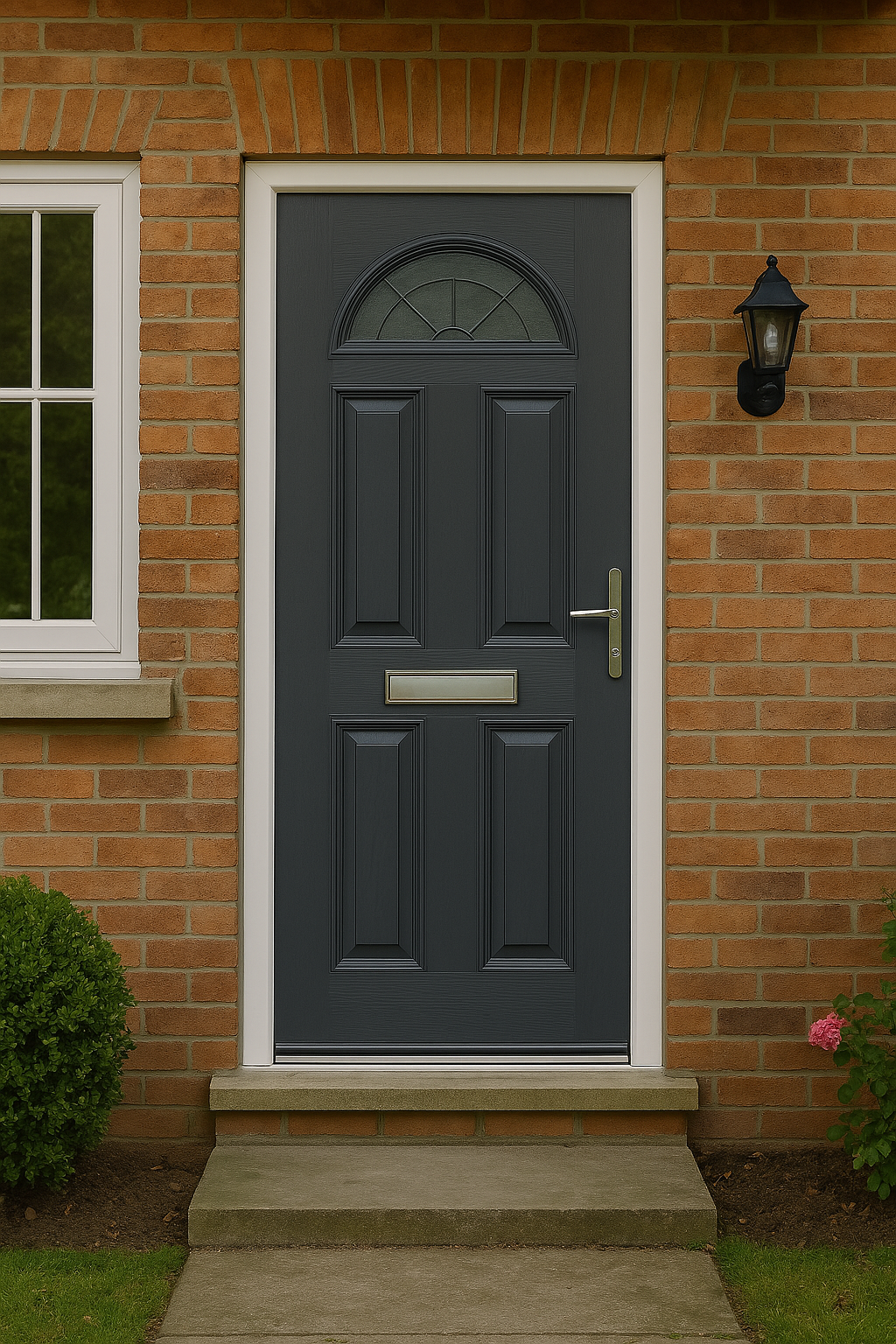
How much do composite vs uPVC doors cost?
uPVC is the cheaper choice. A standard uPVC front door typically costs £800 to £1,500 fitted. A composite door usually costs £1,100 to £2,500 or more. That makes composite roughly 30 to 50% dearer. The gap reflects what each door is made from.
Which door is more secure?
Both types normally come with multi-point locking. In the composite vs uPVC doors security question, the core is where they differ. A composite door has a solid core around 44mm thick. A uPVC door has a hollow panel nearer 28mm thick. As a result, composite resists a physical attack better. Higher-spec composite doors also usually include anti-snap cylinders. Whichever you choose, look for a lock that meets Secured by Design standards.
Which lasts longer and needs less upkeep?
A uPVC door typically lasts 20 to 35 years. A composite door lasts 30 to 35 years or more. Both need little care. A wipe with warm soapy water and a drop of oil on the locks is enough. However, foiled uPVC can fade or peel in sunny, exposed spots. Composite skins resist fading and chipping better. You can also respray a composite door if you want a new colour later. You cannot do that with uPVC.
Which keeps your home warmer and quieter?
Composite doors usually insulate better. A composite panel typically scores 0.8 to 1.3 W/m²K, while uPVC sits around 1.3 to 1.8. The difference is small in a sheltered porch. However, it matters more on an exposed front. Composite also blocks more noise, which helps if your door faces a busy road.
Which looks better on a Sussex home?
uPVC has a smooth, modern look. It suits newer houses. Composite has a moulded wood-grain finish that copies painted timber. Therefore, it suits period homes and cottages well. Look at your house’s age and your street before you decide.
Composite vs uPVC doors: which should you choose?
Choose uPVC if budget matters most. You still get a reliable, low-maintenance door. Choose composite if you want extra strength, better insulation and a long-lasting finish. For many families, composite is worth the extra spend.
Faron Home Improvements fits both types across East Grinstead, Crawley and Horsham. We are family-run and FENSA-registered, so you get a certificate for the work. Explore our composite doors in East Grinstead and our uPVC doors in East Grinstead. Then get a free quote or call 01342 643075 to talk through composite vs uPVC doors with a local fitter.