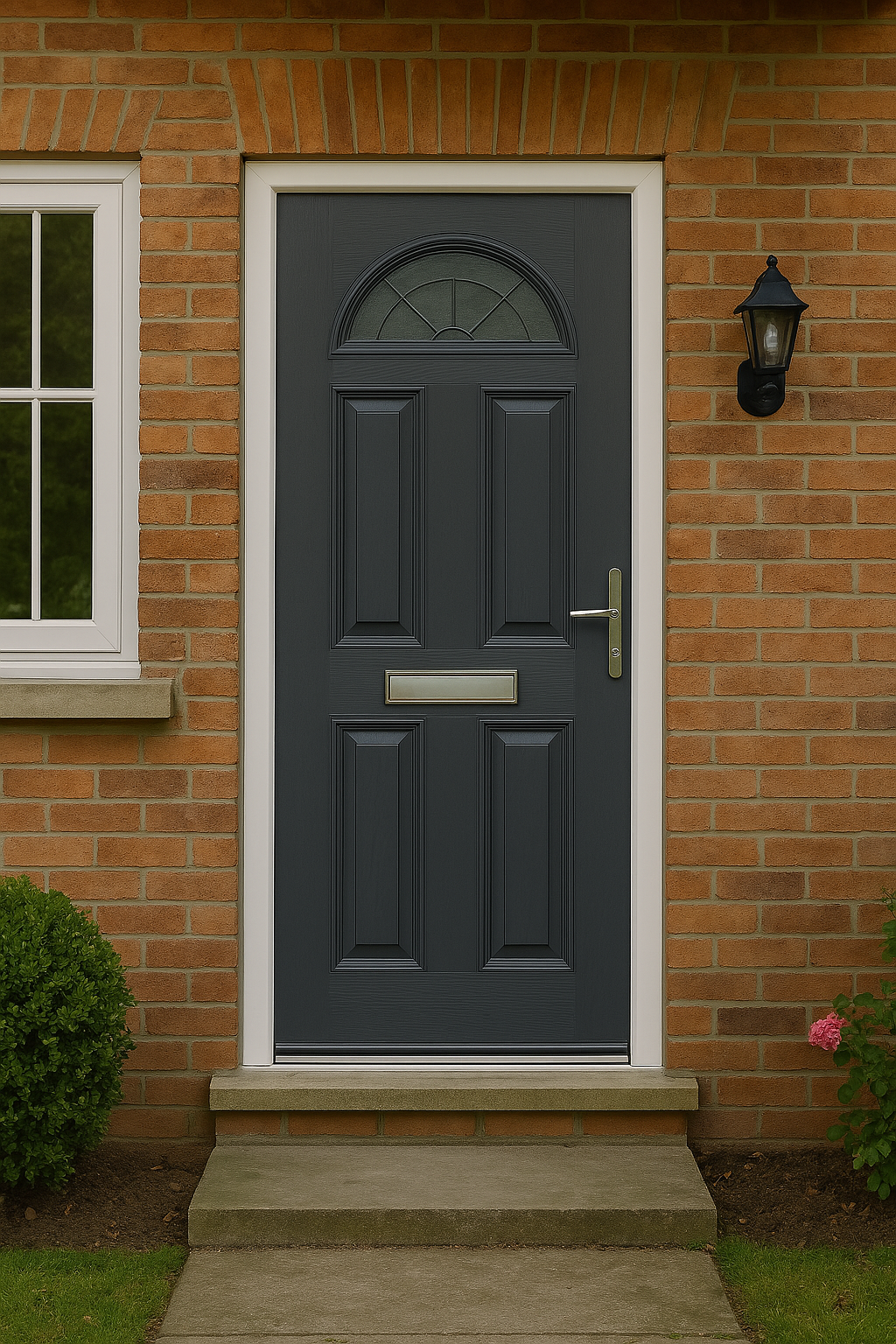
Hire a Double Glazing Company: 7 Questions to Ask First

Before you hire a double glazing company, it pays to ask the right questions. New windows are a big investment. A good fitter gives you comfort and peace of mind for years. A poor one leaves you with draughts and headaches. These seven questions help you tell the difference.
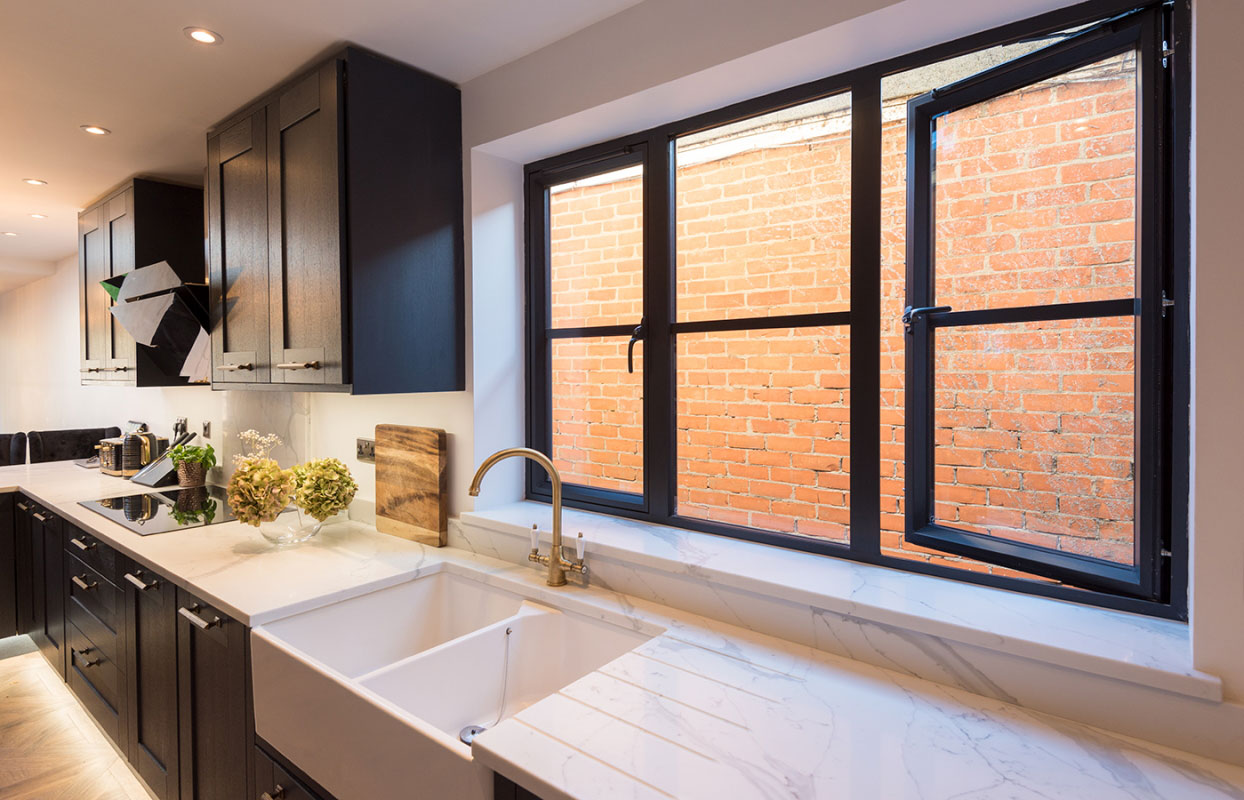
Black-framed uPVC windows above a kitchen sink, an example of work when you hire a double glazing company

1. Are you FENSA registered?

FENSA registration shows an installer is checked against building regulations. When the work is done, they register it and you receive a certificate. You will need that certificate when you sell your home. You can check any installer on the FENSA website. If a company cannot show registration, think twice.

2. Can I see reviews and recent local jobs?

Good companies are happy to show their work. Ask for recent jobs near you. Also read independent reviews on sites such as Checkatrade. However, do not rely on stars alone. Read what customers say about timekeeping, tidiness and after-sales care.

3. Is the quote in writing and itemised?

A clear quote lists the windows, sizes, frame colour, glass type and fitting costs. It should also say what happens to your old windows. As a result, you can compare companies fairly. Be wary of vague quotes with one big figure.

4. What guarantee do you offer?

Ask how long the frames, glass and hardware are guaranteed. Then ask who honours the guarantee. For example, check that it still stands if the company changes hands. Get the details in writing.

5. Who will fit my windows?

Some companies use their own fitters. Others use subcontractors. Neither is automatically bad. However, you should know who will turn up. Ask how experienced the fitters are and whether the company stands behind their work.

6. What are the windows made from?

Ask about the frame, the glass and the security features. Low-E glass helps keep heat in. Good locks and hinges keep intruders out. In addition, ask for the energy rating so you can compare like with like.

7. What happens on the day, and how do I pay?

A good company tells you the start date, how long the job takes and how they protect your home. They also explain payment terms clearly. Be cautious of big upfront payments. Instead, look for fair stage payments or payment on completion.

Red flags when you hire a double glazing company

Walk away if you spot any of these warning signs:

  • Pressure to sign today for a special price
  • No fixed address or local phone number
  • Quotes that are very vague
  • Reluctance to show FENSA registration or recent work

If you sign a contract at home, you normally get a 14-day cooling-off period. You can read more on the Citizens Advice website. Use these questions every time you hire a double glazing company.

Why homeowners choose Faron

Faron Home Improvements is a family-run, FENSA-registered company at 61-63 Railway Approach, East Grinstead. You can find us on Checkatrade, and we offer free design and quotations. We cover East Grinstead, Crawley, Horsham and nearby villages. Read why homeowners rate our double glazing company in East Grinstead, or contact us for a free quote on 01342 643075.

Conservatory Roof Replacement Cost: Solid Tiled vs Glass (2026)

Conservatory roof replacement cost depends mostly on the roof you choose. A basic polycarbonate roof is the cheapest. A solid tiled roof costs the most. This guide sets out typical UK prices for 2026, so you can budget before you ask for quotes.

White conservatory with a new roof, showing typical conservatory roof replacement cost options

What is the average conservatory roof replacement cost?

For a typical conservatory of 3m by 3m up to 4m by 4m, most homeowners pay around £4,000 to £8,000. However, the range is wide. Roof type, size and access all change the final figure. These are typical ranges, including materials and fitting:

  • Polycarbonate roof: £2,000 to £6,500
  • Glass roof: £3,300 to £9,500
  • Hybrid roof (glass and solid panels): £5,500 to £13,500
  • Solid tiled roof: £6,100 to £15,000

These are indicative national figures. Prices in the South East are often 10 to 20% higher. So always get written quotes.

Is a solid tiled roof worth the cost?

A solid tiled roof pushes the conservatory roof replacement cost up the most. However, it brings real benefits. It insulates far better than glass, so the room stays warmer in winter and cooler in summer. As a result, you can use it all year round. A tiled roof can also add value to your home.

There are downsides too. Solid roofs let in less light. Many owners add LED downlights for about £300 to £600, or a roof lantern for roughly £800 to £2,000. A tiled roof also needs building regulations approval.

What about a glass conservatory roof?

Glass is the budget-friendly way to keep a light, bright room. It costs less than tiles, and self-cleaning solar-control glass is common. However, glass insulates less well. Without solar-control glass, the room can overheat in summer.

How long does a conservatory roof replacement take?

Most jobs take two to five days on site. A polycarbonate roof can take just one to two days. A tiled roof usually takes three to five days. Weather can add time, so plan some flexibility.

Do you need permission to replace a conservatory roof?

Planning permission is usually not needed for a like-for-like swap with the same size, height and position. Listed buildings and conservation areas are exceptions. However, building regulations approval is needed in England when you replace a glass or polycarbonate roof with a solid tiled roof. Ask every installer whether building control fees are in the quote. You can read more on the Planning Portal.

How to keep your conservatory roof replacement cost down

First, compare at least three written quotes. Next, check what each one includes, such as scaffolding, waste removal and VAT. Also, choose the roof for how you will use the room, not just for price. Finally, pick an installer who handles building regulations for you.

Faron Home Improvements is a family-run company in East Grinstead. We replace conservatory roofs across East Grinstead, Crawley and Horsham. See our conservatory roof replacement in East Grinstead page, then ask for a free quote or call 01342 643075 to get your own conservatory roof replacement cost.

Conservatory Planning Permission: Do You Need It in West Sussex?

Conservatory planning permission worries a lot of homeowners. The good news is that many conservatories do not need it. In England, many fall under permitted development rights. However, some do not, and building regulations are a separate matter. This guide explains both in plain English.

Rules change, so always confirm the details with your local council. For East Grinstead, that is Mid Sussex District Council. This guide is general information, not legal advice.

Conservatory with a brick base, a common example when checking conservatory planning permission

When do you not need conservatory planning permission?

A conservatory is treated like a single-storey extension. If it stays within permitted development limits, you do not need to apply. These are the main limits for a rear conservatory in England:

  • It must not extend more than 3m from the back wall of a semi-detached or terraced house. For a detached house, the limit is 4m.
  • It must not be higher than the highest part of the existing roof.
  • Eaves within 2m of a boundary must be no more than 3m high.
  • It must not sit in front of the house where it faces a road.
  • With other buildings, it must not cover more than half the land around the original house.

Larger extensions of up to 6m or 8m may be allowed through the prior approval process. In that case, your neighbours get a chance to comment.

When do you need conservatory planning permission?

You will need to apply if your plans break those limits. For example, a conservatory that is too deep, too tall or too close to a road needs permission. Listed homes need Listed Building Consent. Conservation areas, National Parks and Areas of Outstanding Natural Beauty have stricter rules too. In addition, some councils remove permitted development rights through an Article 4 Direction. Therefore, always check before you build.

Do conservatories need building regulations?

Many do not. A conservatory is usually exempt if it meets all of these conditions:

  • It is 30 square metres or smaller.
  • It sits at ground level.
  • It is separated from the house by external-quality doors, windows or walls.
  • It has its own heating, with its own controls.
  • The glazing and electrics meet the safety rules.

However, a few changes bring building regulations into play. For example, swapping a glass roof for a solid tiled roof means the building is no longer a conservatory. So building regulations apply. Connecting the conservatory to your home heating does the same.

What about bifold doors?

Bifold doors are usually simpler. If you are replacing existing doors or windows, you normally do not need planning permission. Instead, the work must meet building regulations. A FENSA-registered installer can self-certify the work and give you a certificate. Meanwhile, a brand-new opening in a structural wall needs proper support, so building regulations apply there too. Listed buildings and conservation areas may need extra consent.

How to check conservatory planning permission for your home

First, measure your plans and note how far they stick out and how high they are. Next, read the guidance on the Planning Portal. Then ask your council if you are still unsure. A Lawful Development Certificate gives you written proof that your plans are lawful.

Faron Home Improvements designs and fits conservatories and bifold doors across East Grinstead, Crawley and Horsham. During a free survey, we can talk you through the rules on conservatory planning permission for your property. See our conservatories in East Grinstead and bifold doors in East Grinstead, or contact us on 01342 643075.

Composite vs uPVC Doors: Which Is Better for a Sussex Home?

Choosing between composite vs uPVC doors is one of the biggest decisions when you replace a front door. Both look good. Both keep the weather out. However, they differ in price, strength and lifespan. This guide compares them side by side, so you can choose with confidence.

Black composite front door fitted to a brick house, a popular choice in the composite vs uPVC doors debate

How much do composite vs uPVC doors cost?

uPVC is the cheaper choice. A standard uPVC front door typically costs £800 to £1,500 fitted. A composite door usually costs £1,100 to £2,500 or more. That makes composite roughly 30 to 50% dearer. The gap reflects what each door is made from.

Which door is more secure?

Both types normally come with multi-point locking. In the composite vs uPVC doors security question, the core is where they differ. A composite door has a solid core around 44mm thick. A uPVC door has a hollow panel nearer 28mm thick. As a result, composite resists a physical attack better. Higher-spec composite doors also usually include anti-snap cylinders. Whichever you choose, look for a lock that meets Secured by Design standards.

Which lasts longer and needs less upkeep?

A uPVC door typically lasts 20 to 35 years. A composite door lasts 30 to 35 years or more. Both need little care. A wipe with warm soapy water and a drop of oil on the locks is enough. However, foiled uPVC can fade or peel in sunny, exposed spots. Composite skins resist fading and chipping better. You can also respray a composite door if you want a new colour later. You cannot do that with uPVC.

Which keeps your home warmer and quieter?

Composite doors usually insulate better. A composite panel typically scores 0.8 to 1.3 W/m²K, while uPVC sits around 1.3 to 1.8. The difference is small in a sheltered porch. However, it matters more on an exposed front. Composite also blocks more noise, which helps if your door faces a busy road.

Which looks better on a Sussex home?

uPVC has a smooth, modern look. It suits newer houses. Composite has a moulded wood-grain finish that copies painted timber. Therefore, it suits period homes and cottages well. Look at your house’s age and your street before you decide.

Composite vs uPVC doors: which should you choose?

Choose uPVC if budget matters most. You still get a reliable, low-maintenance door. Choose composite if you want extra strength, better insulation and a long-lasting finish. For many families, composite is worth the extra spend.

Faron Home Improvements fits both types across East Grinstead, Crawley and Horsham. We are family-run and FENSA-registered, so you get a certificate for the work. Explore our composite doors in East Grinstead and our uPVC doors in East Grinstead. Then get a free quote or call 01342 643075 to talk through composite vs uPVC doors with a local fitter.

Double Glazing Cost in East Grinstead: 2026 Price Guide

Double glazing cost is the first question most homeowners ask us. It is a fair one. New windows are a big spend, so you want real numbers before you pick up the phone. This guide shows typical UK prices for 2026. It also explains what moves your quote up or down.

New white uPVC windows fitted in a bright room, showing typical double glazing cost for an East Grinstead home

What is the average double glazing cost per window?

For standard uPVC windows, most UK homeowners pay roughly £160 to £250 per window, fitted. That figure suits a typical casement of around 600mm by 900mm. However, size and style change it quickly. Small windows can cost closer to £100. Large windows often reach £300 or more. Sash and bay windows cost more again, and premium frames can pass £1,000 each.

Prices in London and the South East are often higher than the national average. So treat these figures as a guide, not a quote.

How much does a whole house cost to double glaze?

Whole-house prices depend on how many windows you have. A national guide puts the materials for a ten-window house at around £3,000. A three-bed semi with 10 to 15 windows typically costs £4,000 to £7,000 fitted in uPVC. Premium options can push that to £10,000 or more.

For a quick comparison, here are typical material costs:

  • Flat with four windows: about £1,300
  • House with eight windows: about £2,500
  • House with fifteen windows: about £4,500

Remember that fitting is extra. Labour usually costs £200 to £280 a day for a fitter.

What changes your double glazing cost?

Several things move the price. Knowing them helps you compare quotes fairly.

  • Frame material: uPVC is usually the cheapest. Aluminium and timber cost more.
  • Window style: casements are simple. Sash, bay and bow windows need more materials and labour.
  • Glass type: Low-E, toughened or laminated glass adds to the bill.
  • Size: larger windows cost more to make and fit.
  • Extras: coloured frames and special handles add cost.

Also set aside another 10 to 15% for surprises. For example, a fitter may find a damaged sill or crumbling plaster once the old window is out.

Is double glazing worth the cost?

For most homes, yes. Modern windows keep heat in, so your heating works less. They also cut draughts and street noise. In addition, uPVC frames need very little upkeep. A good set of windows commonly lasts for decades, so the double glazing cost spreads over a long time.

How to get an accurate double glazing cost for your home

Online guides only go so far. The best way to find your real double glazing cost is a free survey. First, we measure every window. Next, we talk through frame and glass options. Finally, we give you a clear written quote with no pressure.

Faron Home Improvements is a family-run, FENSA-registered company based in East Grinstead. We also cover Crawley, Horsham and the villages around them. You can check any installer’s registration on the FENSA website.

Want to know more first? Read about our double glazing in East Grinstead and our uPVC windows. When you are ready, request a free quote or call us on 01342 643075.